Understanding Silk in Bedding: A Material Deep Dive with Leading Brands
In a world where sleep quality anchors daily life, silk stands out as a material that transcends mere fabric. Silk bedding promises temperature regulation, hypoallergenic properties, and a tactile luxury that many readers associate with calm, restorative nights. This piece examines how silk performs in bedding applications—from covers to sheets and comforters—and how top brands implement silk across product lines. The goal is to help readers discern quality differences and align material choices with their sleep goals, all while maintaining a critical, non-commercial perspective.
Silk’s distinctive role in bedding: what sets it apart
Silk is not merely a decorative thread. Its natural properties—temperature regulation, moisture management, and a protein-rich composition that can be kinder to skin and hair—shape how it behaves across sleep surfaces. Unlike cotton, which can absorb more moisture and feel damper in certain climates, silk tends to balance warmth and breathability. This balance translates into practical outcomes: a silk duvet cover or sheet can feel cool to the touch in warmer conditions and still offer comfortable warmth when temperatures drop.
The measurable attributes of silk used in bedding—especially momme weight and weave—offer a structured framework for comparing products. Momme (mm) is a traditional unit that conveys fabric density; higher mm generally implies a denser, more durable hand, and a silk duvet cover at 19 mm, for example, is often described as having a substantial yet breathable presence. Weave matters too: charmeuse, jacquard, and satin/weave variations influence texture, drape, and friction against skin and hair. Together, these factors determine whether a silk product drapes smoothly, feels cool or warm to touch, and holds up to repeated laundering.
From a consumer perspective, the practical questions matter: How easy is it to care for silk? Does the fabric feel slippery or clingy? Will the silk maintain its sheen after multiple washes? And most importantly, does silk deliver the sleep-enhancing benefits it promises without demanding high maintenance or special equipment?
Brand-focused approaches: how leaders implement silk in duvet covers, sheets, and blankets
Leading bedding brands have translated silk’s tactile and thermal properties into practical products across duvet covers, sheets, and blankets. While each brand brings its own design language, several common engineering principles surface in product literature and specifications.
A duvet cover crafted from 100% mulberry silk typically emphasizes a smooth surface with minimal friction against the skin and hair. The use of a 19 momme weight signals a substantial yet breathable fabric that can sustain daily wear and laundering. Weave choices—such as charmeuse or silk jacquard—affect how the fabric drapes around a duvet, how it resists wrinkling, and how it contributes to the overall sleep surface’s perceived temperature.
Silk sheets and pillowcases extend these benefits to the night’s surface. When silk blankets or blankets-with-silk shells are mentioned, the emphasis shifts to layering: silk’s temperature regulation works in concert with other fabrics to create year-round comfort without overheating or becoming clammy.
Material considerations: temperature regulation, moisture management, and care
Temperature regulation in silk arises from its natural fiber structure, which manages moisture effectively. Silk can wick away moisture while allowing air to circulate, contributing to a sleep environment that feels balanced across seasons. This can be particularly appealing for sleepers who experience night sweats or fluctuating temperatures within a bedroom.
Care guidelines are as essential as the fabric’s properties. Silk’s longevity hinges on gentle handling: delicate cycles, mild detergents, and air drying are commonly recommended by brands to preserve sheen and fiber integrity. Some pieces may be labeled as machine-washable with specific instructions, while others require dry cleaning or hand-washing rituals. The key is to follow manufacturer guidance, use appropriate detergents designed for silk, and avoid heat-intensive processes that can degrade the fiber.
Beyond care, the durability of silk in bedding also reflects construction details: corner ties on duvets to secure insert loft, or hidden closures on duvet covers that maintain a tidy bed surface. High-quality silk products often pair silk shell with a carefully engineered fill—sometimes silk itself or other natural or synthetic fillings—to optimize warmth without bulk.
Brand snapshots: notable implementations and what to look for
When evaluating silk bedding, readers should consider three categories: duvet covers, sheets, and comforters. A robust silk duvet cover will typically showcase a border, a durable closure (buttons or zippers), and attention to edge finishes that prevent snagging or pilling. A silk flat or fitted sheet may emphasize a smooth hand and a balanced weight that keeps the sheet in place without sliding off the mattress. A silk-filled comforter or duvet with a silk shell should balance loft, warmth, and breathability, ensuring the fiber can manage moisture without feeling damp or heavy.
Notable brands often disclose material weights (mommes), weave types, and care instructions with clarity. They may highlight certifications such as OEKO-TEX Standard 100 to reassure consumers about textile safety and chemical exposure. This transparency helps readers make informed choices aligned with sleep goals, skin sensitivity, and allergy considerations.
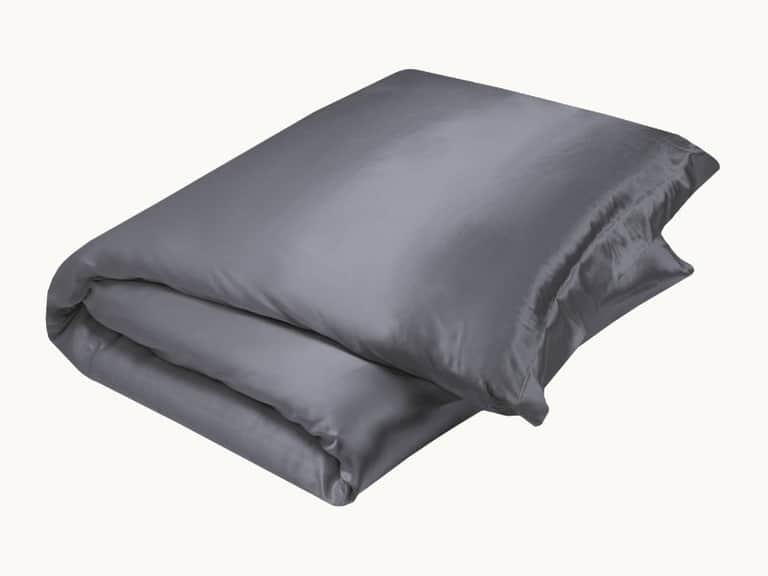
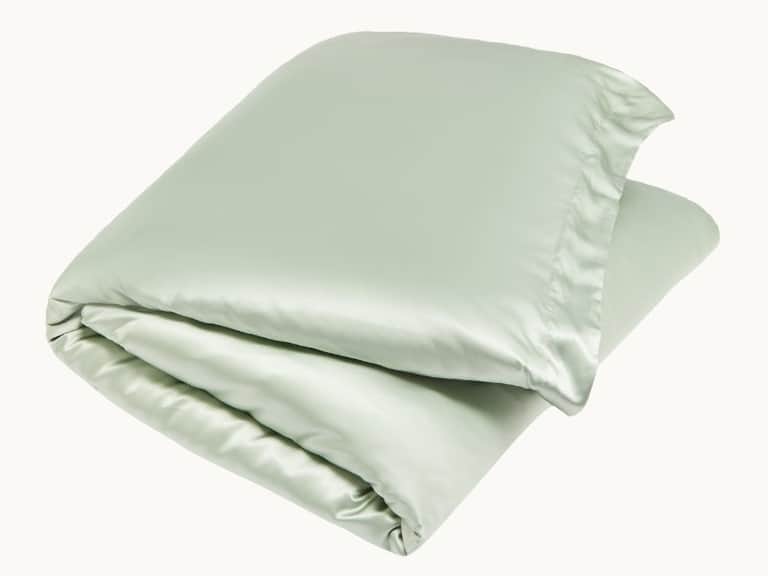
For example, a charcoal silk duvet cover at 19 momme with a border and button closure offers a refined silhouette and secure enclosure for the duvet inside. A sage green silk duvet cover at a similar weight demonstrates how color and finish interact with the room’s lighting and mood, reinforcing the idea that silk’s aesthetic versatility is as compelling as its technical performance.
Practical tips for choosing silk bedding that fits sleep goals
- Assess seasonality: For year-round comfort, consider silk with a weight of 19 momme or similar, balancing warmth in winter with breathability in summer.
- Examine the shell and fill: Silk may appear in the form of a silk-covered duvet or a silk-filled comforter. Understand whether the silk constitutes the shell, the fill, or both, and how that affects warmth, loft, and care requirements.
- Consider care expectations: Some silk products are machine washable with delicate cycles, while others require dry cleaning or hand washing. Choose based on how you launder bedding and how you intend to maintain sheen and texture over time.
- Align with skin and hair needs: Silk’s protein content can be helpful for skin and hair health, particularly for sensitive sleepers or those seeking hypoallergenic options.
- Match design with function: Silk’s lustrous surface and drape can influence the overall bedroom aesthetic. When selecting duvet covers or sheets, consider how texture, weight, and color interact with lighting, furniture, and other textiles in the room.
A comparative lens: what to expect from top brands
To ground readers in practical comparison, consider how brands present silk across a few core offerings: duvet covers, sheets, and silk-filled or silk-covered comforters. Look for explicit material disclosures (mulberry silk origin, momme weight, weave type), care instructions (washable versus dry clean only), and any certifications. A comprehensive comparison helps readers gauge quality and value beyond price alone.
Features to watch for:
- Silk type: Mulberry silk is the most common and tends to offer a reliable balance of softness and durability.
- Weight and weave: 19 momme charmeuse vs. higher momme counts and alternative weaves can produce different textures and performance.
- Closure and edge finishes: Button closures and piped edges contribute to a clean, durable finish.
- Care guidance: Machine wash compatibility, detergent type, and drying instructions influence long-term care.
- Certifications: OEKO-TEX or other fabric-safety certifications add assurance for sensitive sleepers.
Brands also experiment with silk blends, silk jacquard patterns, and diverse color palettes to offer a range of aesthetic choices while preserving the material's core properties.
Design sensibility: how silk bedding shapes the sleep environment
Silk bedding contributes to a sleep environment that is calm and refined. The tactile experience of silk—its smoothness, subtle sheen, and drape—can influence perceived sleep quality by creating a sensory layer that feels luxurious yet understated. Color choices like charcoal, sage, or pale silks can influence room mood, while the natural variability in silk’s luster offers a nuanced, ever-so-slightly shifting palette as light changes through the day.
The editorial approach to silk bedding emphasizes clarity, accuracy, and a measured tone. Without veering into promotional language, readers can appreciate silk as a material with proven, testable properties, and can evaluate brands on how transparently they communicate those properties.
Conclusion: silk bedding as a thoughtful, sleep-forward choice
Silk in bedding offers a compelling combination of comfort, temperature regulation, and hypoallergenic qualities. By examining how brands implement silk across duvet covers, sheets, and blankets, readers gain a practical framework for evaluating products. The objective is not to promote any single product line but to illuminate the material’s advantages, its care requirements, and how design choices—mommes, weaves, and finishes—translate into real-world sleep outcomes.
In the end, the question is not only about luxury or aesthetics, but about aligning textile choices with personal sleep goals. Silk bedding, when chosen with attention to material specification and care guidance, can accompany a peaceful night’s rest and a refreshed morning—a reminder that comfort, after all, begins with how we sleep.
Notes for the reader
This article references bedding categories, material characteristics, and industry practices to provide a balanced, non-promotional overview. Where product examples are mentioned, they are used to illustrate typical specifications and are linked to their product pages to offer readers direct access to official information. No individual has been quoted or profiled; where brands or products are cited, they are described in general terms consistent with publicly available product information.