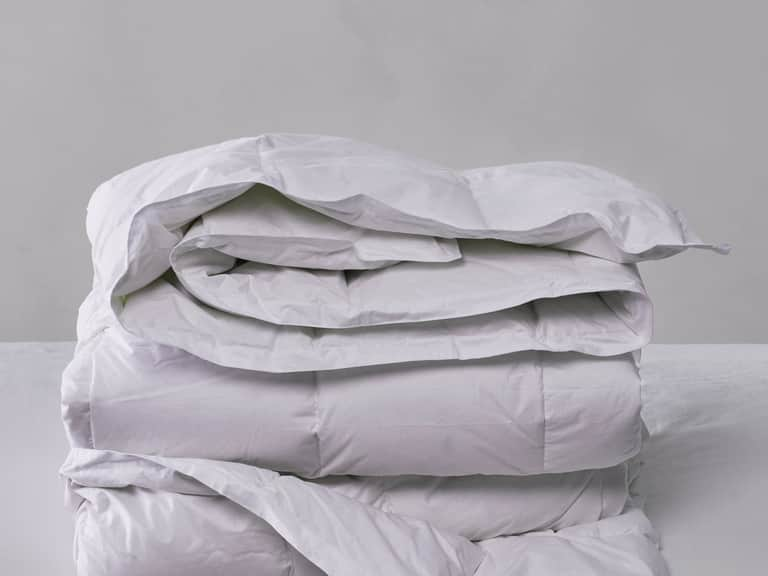
Down alternative and natural fill describe materials used inside duvets to provide insulation, softness, and loft. Fill choice influences warmth, weight, breathability, and care requirements. Understanding these characteristics can help match bedding to room temperature, personal comfort preferences, and seasonal use, alongside coordinating items such as pillows, sheets, and duvet covers.
Duvet Filling Light is designed for sleepers and environments that need less insulation. Its lighter feel can support comfortable use in warmer seasons or well-heated rooms, while still adding a soft layer beneath a duvet cover. The reduced warmth may also suit people who prefer less weight over their body during sleep.
Duvet Filling Warm provides greater insulation for cooler rooms and colder seasons. Its warmer construction helps retain body heat beneath a duvet cover, making it relevant for sleepers who need additional coziness overnight. Comparing the Light and Warm options involves considering bedroom temperature, bedding layers, and individual sensitivity to warmth.
Down alternative fills are typically selected to provide loft and softness without using natural down, while natural fills are valued for their distinct insulating and breathable qualities. Material composition affects feel, warmth, and maintenance, so product care guidance is important. Fill characteristics may also be compared with other bedding materials, including latex used in some pillows.
For a balanced bedding setup, duvet fill works alongside sheets, pillows, and duvet covers, each contributing to comfort and temperature regulation. A breathable cover can help manage the feel of an insulated duvet, while suitable sheets influence surface comfort. Reviewing fill type, warmth level, and care instructions helps clarify how bedding functions across seasons.
 Bedding